How to Build a Biophilic Interior Design Plan That Feels Natural, Modern, and Livable
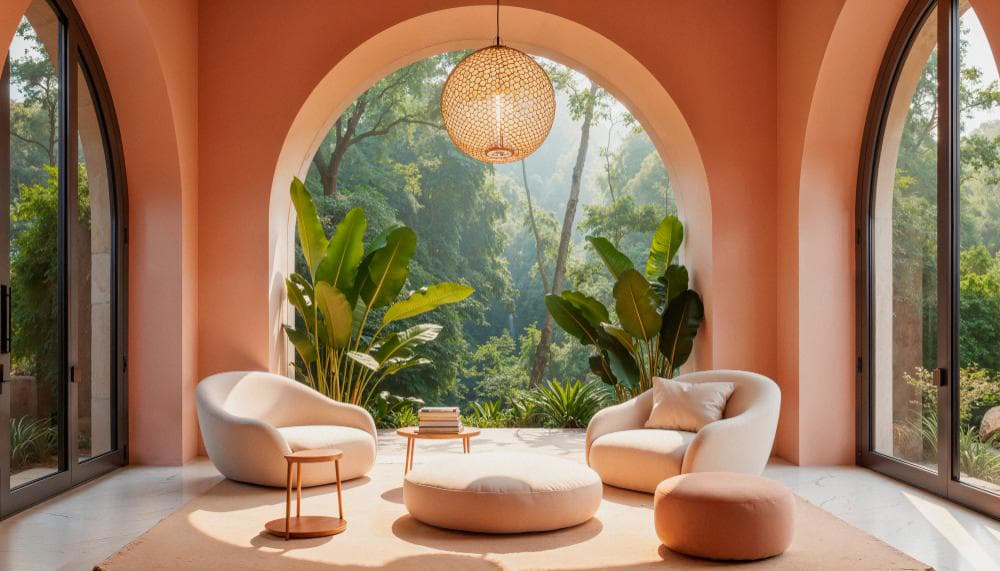
Biophilic interior design is often reduced to one visible idea: add more plants. That can help, but it is only a small part of the concept. A stronger biophilic home connects people with nature through light, air, texture, views, organic shapes, natural materials, and daily comfort.
For Your Wild Home readers, this topic fits especially well because the site already focuses on modern interiors, natural materials, and spaces that help people step away from visual noise. A biophilic room should not feel like a themed set. It should feel calm, practical, and rooted in the way people actually live.
A useful starting point is the meaning of biophilic design: it is a design approach that supports the human connection to nature through built environments. In a home, that can mean morning light in the kitchen, a tactile wood surface at a work desk, breathable textiles in a bedroom, or a small view of greenery from a reading corner.
Build the Room Around Natural Light First
Natural light should be planned before wall color, furniture, or accessories. It changes how every material appears during the day. A white wall can look clean in the morning and cold in the evening. A green sofa can feel soft beside warm daylight and heavy under the wrong artificial lighting.
Start by observing when each room receives direct sun, filtered light, or shade. East-facing rooms often feel clearer in the morning, while west-facing rooms may need stronger glare control later in the day. North-facing rooms usually need warmer finishes, layered lamps, and reflective surfaces to avoid feeling flat.
This connects naturally with the site’s existing guide on maximising natural light, because biophilic interiors depend on light quality as much as furniture choice. For practical window planning, the U.S. Department of Energy also explains how window coverings can help manage daylight, heat gain, and comfort.
Use Materials That Invite Touch
A natural-looking room can still feel cold if every surface is smooth, glossy, or synthetic. Biophilic design works better when the hand and eye both sense variation. Wood grain, linen weave, stone texture, cork, wool, clay, rattan, and handmade ceramics can all make a room feel more grounded.
The key is restraint. Use one dominant natural texture, one supporting texture, and one contrast. For example, oak flooring can be paired with linen curtains and a matte stone table. A darker walnut shelf can sit against limewash walls with a wool rug underneath. Too many textures at once will make the room busy instead of restorative.
Your Wild Home already has a relevant article about interior design textures, and that topic is central here. Texture should not be added only for decoration. It should solve a room problem: warmth, acoustic comfort, grip, softness, durability, or visual depth.
Choose a Color Palette From Nature, Not From Trends
A biophilic palette does not have to be beige, green, or brown. Nature includes chalky whites, mineral grays, bark tones, deep blue, moss, clay, sand, charcoal, muted yellow, and soft terracotta. The point is not to copy a forest or beach literally, but to use colors that feel stable and believable in the room’s light.
For a bedroom, muted greens, warm whites, and soft wood tones can create a quiet mood. For a workspace, pale mineral colors with black or dark wood accents may feel more focused. For a living room, deeper earthy tones can work if there is enough natural light and breathing space around furniture.
The site’s article on colour psychology in interior design is a good internal match for this section. Color should support the activity of the room. A dining space, a child’s room, and a meditation corner should not all use the same palette just because the colors are fashionable.
Bring Plants Into the Design With a Clear Role
Plants are powerful in biophilic interiors, but they need to be chosen like living design elements. A large plant can soften a corner, frame a window, or balance a tall cabinet. A group of small plants can make a shelf feel active. A trailing plant can relax a strict architectural line.
The mistake is using plants as filler. If a room already has many objects, adding more pots may create clutter. Instead, choose fewer plants with stronger placement. Consider scale, light level, watering needs, drainage, and whether the plant is suitable for pets or children.
For plant selection and care, reliable extension resources such as <a href=”https://extension.umn.edu/planting-and-growing-guides/indoor-plant-care”>indoor plant care</a> guides can help homeowners avoid common problems. In design terms, a healthy plant is part of the composition; a struggling plant makes the whole space feel neglected.
Plan the Middle Zone of the Home Carefully
The middle of a home is where biophilic design often becomes practical rather than decorative. Hallways, transition spaces, entry areas, and open-plan zones need flow, storage, and light. If these areas are ignored, the home may have beautiful individual rooms but still feel stressful in daily use.
A good transition zone may include a bench, hooks, a closed cabinet, a mirror, a washable rug, and one natural accent such as a ceramic bowl or small plant. This creates a calmer arrival routine. The aim is to reduce visual noise before people enter the main living space.
Additional resource:https://playfortunepl.com/kasyna-kryptowalutowe/
The middle of the home can also be a place to repeat design language. If the living room uses oak, linen, and soft green, the hallway might use oak hooks, a linen-textured shade, and a small green artwork. Repetition makes the home feel connected without making every room identical.
Control Moisture Before Adding Natural Finishes
Biophilic interiors often use materials that react to humidity: wood, cork, natural fiber rugs, paper shades, woven baskets, and clay-based finishes. These materials can work beautifully, but they should not be placed blindly in damp rooms or poorly ventilated corners.
Bathrooms, basements, laundry rooms, and enclosed closets need special attention. If moisture is not managed, natural materials may warp, smell musty, or become difficult to clean. Before choosing finishes, check ventilation, leaks, condensation patterns, and whether furniture is blocking airflow.
This is where the site’s article on basement moisture control becomes useful for internal linking. For broader support, the EPA’s guidance on mold and moisture explains why controlling indoor dampness matters for healthier homes.
Use Furniture Shapes That Feel Organic but Still Functional
Organic shapes can help a room feel softer. Rounded tables, curved chairs, irregular ceramics, arched mirrors, and softer sofa profiles all reduce the hard visual edges common in modern interiors. But curves should still serve the layout.
A round dining table may improve conversation and movement in a compact room. A curved sofa can define a lounge area in an open-plan space. A soft-edged coffee table can make a family room safer and easier to move through. These are functional decisions first, aesthetic decisions second.
For biophilic interiors, avoid making every object curved or handmade-looking. Balance is stronger. A clean-lined cabinet can sit beside a rounded lamp. A simple sofa can be softened with a wool rug and organic side table. Too much irregularity can feel messy rather than natural.
Think About Air Quality, Not Just Appearance
Natural design should also consider what people breathe. Paints, adhesives, composite woods, flooring products, and new furniture may release odors or chemical compounds after installation. This does not mean every material must be expensive or rare. It means specifications should be checked more carefully.
When possible, choose low-emission paints and finishes, ventilate during and after installation, and avoid bringing too many new high-odor items into the home at once. The U.S. Environmental Protection Agency explains how volatile organic compounds can affect indoor air quality, which makes this an important design detail rather than a technical footnote.
Air quality also connects to layout. Furniture pressed tightly against exterior walls can reduce airflow. Heavy curtains can trap condensation near windows. Overcrowded rooms are harder to clean. A biophilic home should feel open enough for air, light, and people to move through it.
Design With Sound in Mind
A room that looks natural may still feel uncomfortable if it echoes. Hard floors, large windows, bare walls, and minimal furniture can make sound sharp. Biophilic interiors benefit from soft acoustic layers because nature is rarely silent in a harsh way; it is textured, uneven, and absorbent.
Use rugs, curtains, upholstered seating, fabric wall panels, bookshelves, and cork boards to reduce echo. A wool rug under a dining table, linen curtains in a bedroom, or a textile panel behind a desk can make the room feel calmer without adding visual clutter.
Sound control is especially important in open-plan homes. If cooking, working, watching TV, and conversation all happen in one shared space, the design should include acoustic zones. A rug can define the sitting area, a shelf can partially divide work from rest, and curtains can soften glass walls.
A Practical Checklist for Biophilic Home Planning
Use this checklist before finalizing a room concept:
- Does the room receive enough natural light for the planned colors and plants?
- Are the main materials durable enough for the room’s moisture and traffic?
- Is there at least one tactile surface that invites touch?
- Can the room be cleaned and aired without moving too much furniture?
- Are plants placed according to light and maintenance needs, not just empty corners?
- Does the layout support natural movement through the room?
- Are soft materials included to improve sound comfort?
- Is storage planned so natural decor does not become clutter?
- Do window treatments control glare, privacy, and heat?
- Does the room feel connected to the rest of the home through repeated materials or colors?
This list is useful because biophilic interiors can easily become too visual. A design may look appealing in a mood board but fail in daily life if it ignores cleaning, storage, humidity, or sound. The stronger approach is to make beauty and function support each other.
Shape the Home Around Daily Rituals
The most convincing biophilic interiors are built around rituals. Morning coffee near natural light. Reading beside a plant and a textured throw. Cooking with durable surfaces and easy ventilation. Resting in a bedroom with soft textiles, lower light, and fewer visual distractions.
These rituals help decide what belongs in the room. A living room for conversation may need flexible seating, a large rug, warm lamps, and plants at the edges rather than a television as the only focal point. A bedroom for recovery may need blackout control, breathable bedding, quiet colors, and closed storage.
When a room is planned this way, natural design becomes more than style. It becomes a way to make the home easier to use and more comfortable to return to. That is the point of biophilic interior design: not to copy nature as decoration, but to bring its rhythms, textures, light, and calm into everyday living.